What to Do When Your AC or Heat Fails Unexpectedly in Houston
When your AC or heat fails unexpectedly, first make sure the home is safe. If you smell gas or a carbon monoxide alarm goes off, leave the house and call 911 or your gas utility from outside. If there's no danger, check the thermostat, the air filter and the breaker, and look for water or ice. If that doesn't bring it back, turn the system off and call a technician. Leave gas, refrigerant and electrical parts alone.
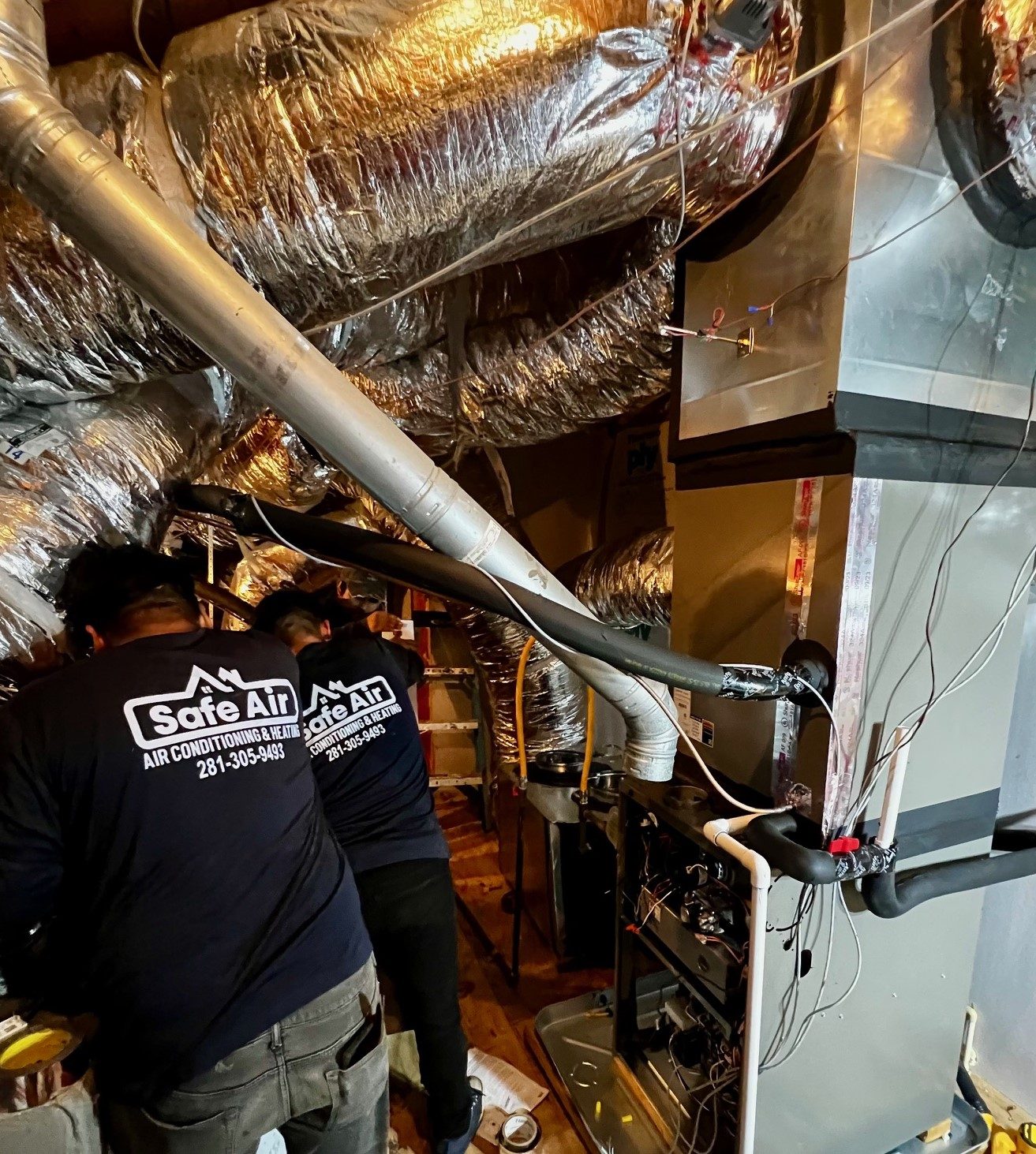
Most HVAC failures in Houston aren't dangerous, but some can get worse if the system keeps running. A few calm minutes before you call can also give the technician useful information.
Safety First: When to Leave the House
These situations come before any troubleshooting:
- You smell gas or hear hissing near a gas line. Leave right away, and don't touch light switches or appliances on the way out. Once you're well away from the house, call 911 or your gas utility.
- A carbon monoxide alarm sounds. Get everyone outside and call 911. Stay out until responders say it's safe. Carbon monoxide has no smell, so treat the alarm as real even if nothing seems wrong.
- You see smoke or sparks, or smell burning from the equipment. Get out and call 911 if there's any sign of fire.
If you left the house because of gas or carbon monoxide, have the heating system checked before anyone runs it again.
Safe First Checks
If none of those apply, these checks don't require tools or opening any equipment:
- Thermostat. Confirm it's set to Cool or Heat, and that the setting is a few degrees past the room temperature. Replace the batteries if the screen is blank and your model uses them.
- Air filter. A clogged filter can choke airflow and cause a system to shut down. Replace it if you can't see light through it.
- Breakers. Look for a tripped HVAC breaker at the panel. Reset it once. If it trips again, leave it off, because that points to an electrical fault.
- System switch. Many indoor units have a nearby wall switch that looks like a light switch. Make sure it's on.
- Water. Look around the indoor unit for water. Many systems have a safety switch that shuts them off when the drain backs up.
- Ice. If you see ice on the refrigerant lines or indoor coil, turn off the cooling and let it thaw. Don't chip at it.
Stop there. Don't open electrical panels, try to add refrigerant, or work on a gas valve, burner or pilot assembly. Those are jobs for a licensed professional. Electrical parts can hold a charge after the power is off, and refrigerant work requires EPA certification.
When to Shut the System Off
Keep it off, even if it still runs, in these cases:
- You hear grinding, screeching or loud banging
- The breaker trips more than once
- You see ice on the coil or refrigerant lines
- Water is leaking near electrical parts or through a ceiling
- You notice a burning smell
Running a struggling system can turn a smaller repair into a larger one. If water is coming through a ceiling, keep people out from under it, since wet drywall can fall.
What Counts as an Emergency
There's no single official definition, but these situations are worth treating as urgent:
- Any gas smell, carbon monoxide alarm, smoke or burning smell. Call 911 or your gas utility first, then deal with the HVAC.
- No cooling during hot weather, or no heat during a freeze, particularly if infants, older adults or people with health conditions live in the home. If the house is getting too hot or too cold to stay in safely, go somewhere comfortable while you wait for repairs.
- Active water leaks that could damage ceilings or reach electrical equipment.
- A system that keeps tripping breakers or shows other signs of electrical trouble.
A problem can usually wait for regular business hours if the system is still running but not performing as well as it used to, if it's making a new but mild noise, or if the weather is mild and the house is comfortable. Mild fall and winter days in Houston often give you that room, though a cold front can change the picture quickly.
What Affects the Cost of a Repair
Repair cost depends on what failed, so it's hard to know before a diagnosis. In general terms, these things make the biggest difference:
- The part that failed. A small electrical part and a major component such as a compressor or heat exchanger are very different jobs.
- Cause versus symptom. A clogged drain is a different kind of problem from a refrigerant leak that has to be located and repaired.
- Age and type of the system. Parts for some older equipment can be harder to find. Older systems that use R-22 refrigerant can also cost more to service, since it's no longer produced or imported in the U.S.
- Access. Equipment in a tight attic or closet can take longer to work on.
- Warranty status. Parts coverage may apply if the equipment is still under warranty, so keep your paperwork handy.
- Timing. Some companies price after-hours visits differently, so ask when you call.
If you're told a major part has failed on an older system, it's reasonable to ask how the repair compares with replacement before you approve it.
What to Have Ready When You Call
Note what the system was doing when it stopped, any error code on the thermostat, what you've already checked, and where the equipment is. A photo of the model label is useful if you can reach the unit safely.
How Safe Air Can Help
Safe Air LLC provides AC repair and heating and cooling service for homeowners in Houston, Austin and San Antonio. Our regular hours are Monday through Saturday, 8 AM to 6 PM, and we offer 24/7 emergency response. There's a service fee on repair visits, and the technician reviews your options and the price with you before starting work.
Next Step
Once the home is safe, call (281) 305-9493 or contact us online.
Need HVAC Service?
Safe Air LLC — licensed HVAC repair, installation, and maintenance for homeowners in Houston, Austin, and San Antonio.
No Obligation