Getting Your AC Ready for a San Antonio Summer: A Homeowner Checklist
The best San Antonio summer AC checklist is short: replace the filter, test the thermostat, clear and gently rinse the outdoor unit, check the drain line, look over the ducts you can safely see, and have a technician check the parts you can't. Do it in early spring, before the first real hot stretch. A system that struggles in April will rarely get better in August, and it's far easier to find a small problem when the house isn't already 85 degrees.
San Antonio summers are long. Highs in the 90s are routine for months, and 100-degree days are common enough that a system may run for hours at a stretch. Cooling can start as early as March. That's a lot of run time, so a little preparation pays off.
Your Homeowner Checklist
None of these steps involves refrigerant or wiring. If anything seems off, stop and leave it for a technician.
1. Replace the Air Filter
Start here. A clogged filter restricts airflow, which makes the system work harder and can freeze the coil. Between spring oak pollen and the dust that comes with a dry spell, San Antonio filters can load up faster than the package suggests. Check yours monthly during heavy use and replace it when it looks dirty, or at least as often as the manufacturer recommends. Match the size printed on the old filter, and point the arrow toward the unit.
2. Test the Thermostat Before You Need It
On a mild day, switch to Cool and set the thermostat a few degrees below room temperature. Within a minute or two you should hear the system come on. Give it 15 minutes, then feel for cool air at the vents. If your thermostat uses batteries, replace them now. It's also a good time to check that the schedule still fits your household.
3. Clear Around the Outdoor Unit
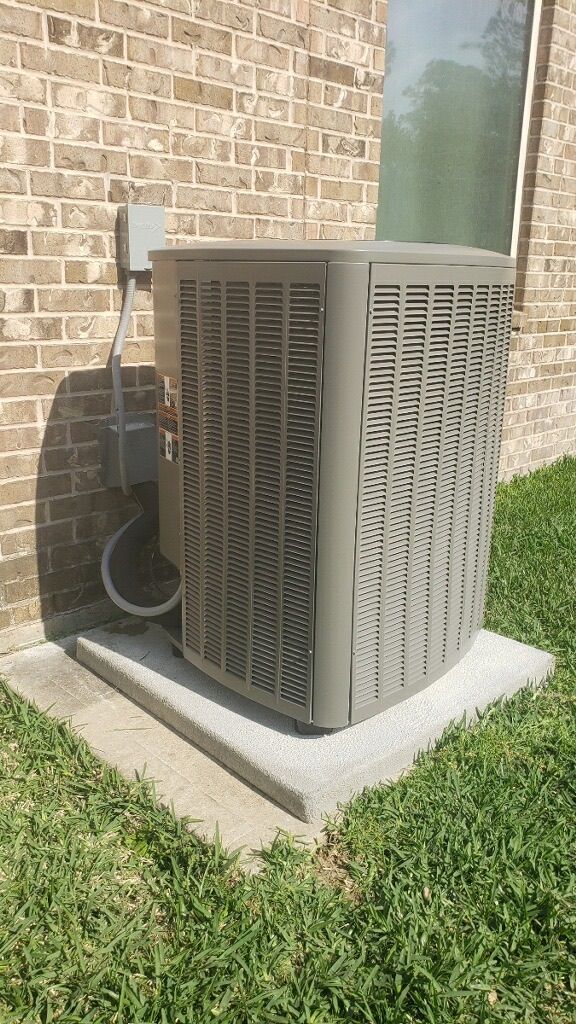
Your outdoor unit needs room to breathe. Pull back weeds and trim shrubs so there are about two feet of clearance on all sides, though you should check your manual for the exact number. Remove leaves and oak tassels from the top and base. Don't stack anything against it, and don't cover it for the season.
4. Gently Rinse the Outdoor Coil
Turn the system off at the thermostat and at the breaker first. Use a regular garden hose with light pressure to rinse dust and pollen off the fins, spraying from the outside. Don't use a pressure washer, because the fins bend easily. Don't remove any panels. If the coil is matted with dirt or the fins are badly bent, leave it for a technician. Wait for it to dry, then restore power.
5. Check the Drain Line
Find the pipe where your condensate line ends outside, and make sure it's clear of mulch and soil. If the unit is in the attic, a look at the secondary pan is worthwhile. It should be dry. Standing water means the main drain may be blocked, so turn the system off and have it checked.
6. Look at What You Can See of the Ducts
If you can get into the attic safely, do it on a cool morning and stay on the joists or walkway. You're looking for flex duct that's crushed, sagging or disconnected. San Antonio attics get very hot, and years of that heat can wear on duct jackets and connections. Inside the house, make sure supply vents and return grilles aren't blocked. Keep vents open, even in rooms you don't use. Closing them doesn't save energy and can hurt airflow.
7. Listen and Smell
Run the system for a while and pay attention. Grinding, squealing or banging sounds, or a burning smell, mean you should turn it off and call for service. Don't wait for a hot day to see if it goes away.
What a Technician Should Handle
A homeowner can't safely check everything. A proper spring HVAC maintenance visit should cover items like these, though the exact list varies from company to company, so ask for it in writing:
- Measuring refrigerant pressures and temperatures to confirm the charge is right
- Testing capacitors, contactors and motors
- Cleaning the condenser coil, and checking the indoor coil
- Clearing and testing the condensate drain and float switch
- Checking airflow and measuring the temperature drop across the coil
- Tightening electrical connections and looking for signs of overheating
A capacitor that tests weak in spring is a simple replacement. The same part failing on a holiday weekend in July is a much worse day. Be wary of anyone who offers to "top off" refrigerant as routine maintenance. A correctly charged system doesn't need more, and a low one has a leak.
If Your System Is Getting Older
Past 10 to 15 years, it's worth asking how much longer your system is likely to last. Age alone doesn't mean it needs replacing, but repeated repairs, rising bills and rooms that no longer stay comfortable can add up to a good reason to start planning. It's easier to compare options calmly in spring than to choose in a hurry when the system has quit in a heat wave. If you get to that point, you can read about AC installation and replacement, and Safe Air offers free estimates on new systems.
Don't Forget the Winter Side
San Antonio doesn't see many hard freezes, but when they come, a neglected heating system gets a sudden workout. If your spring visit doesn't include heating, schedule a check in the fall as well. Twice a year is a common rule of thumb, especially for heat pumps, which work in both seasons.
Schedule Your Check
If you've gone through this list and want a technician to handle the rest, Safe Air provides heating and cooling service for San Antonio homeowners. Our hours are Monday through Saturday, 8 AM to 6 PM, with 24/7 emergency response when something fails outright. Call (281) 305-9493 or send us a request online.
Related services
Keep reading
Need HVAC Service?
Safe Air LLC — licensed HVAC repair, installation, and maintenance for homeowners in Houston, Austin, and San Antonio.
No Obligation