Managing Humidity and Mold Risk in a Houston Home
Managing humidity in a Houston home comes down to keeping indoor relative humidity below 60 percent, which is the EPA's guidance, and ideally somewhere between 30 and 50 percent. Mold needs moisture to grow, so keeping the air and surfaces dry is your best protection against it. Buy an inexpensive humidity monitor, find out where your home really stands, and work from there. If the reading stays above 60 percent with the AC running, something needs fixing.
Houston's climate makes that harder than it sounds. Moist Gulf air stays with us for much of the year, and summer mornings can be close to fully saturated. Your house is fighting that moisture all the time.
Why Humidity Matters in the First Place
High humidity makes a home feel warmer than the thermostat says, so people tend to set it lower and pay for the extra run time. That's the comfort side.
The bigger concern is what moisture does to the house. Damp air settles into closets, behind furniture, on cool duct surfaces and around vents. Mold, mildew and dust mites all do better in those conditions. Musty smells that keep coming back are often the first clue, and that's worth paying attention to before you see any spots.
Measure Before You Spend Money
A digital humidity monitor, called a hygrometer, costs little at any hardware store. Put one in a main living area and maybe one in a bedroom. Look at it at different times of day for a week or two, including a mild, rainy day.
As a rough guide:
- 30 to 50 percent: a good target.
- 50 to 60 percent: acceptable, though worth watching.
- Above 60 percent for long stretches: time to find out why.
Why Your AC May Not Be Keeping Up
Your central AC removes moisture as it cools, but that's a side effect. It runs only as long as the temperature calls for it. Several common situations leave the humidity behind:
- Mild, wet weather. On a 72-degree rainy day, the AC barely runs, and the moisture stays in the air.
- An oversized system. It cools the house quickly and shuts off before it has dried the air.
- Fan set to On. Between cooling cycles, air blowing over a wet coil can put moisture back into the house. Auto is usually the better setting here.
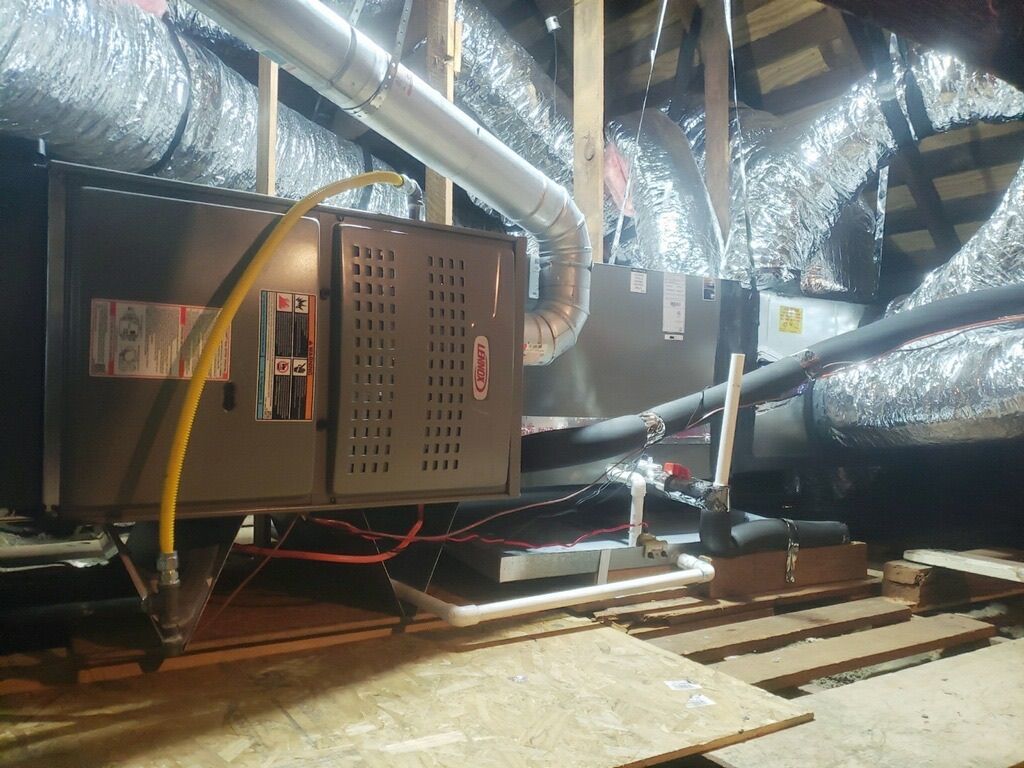
- Leaky return ducts. A leak in an attic duct can pull in hot, humid air and send it straight into your home.
- Air leaks in the house itself. Gaps around attic hatches, recessed lights and plumbing let outside air in.
Everyday Habits That Help
Some of the easiest fixes have nothing to do with equipment:
- Run bath fans during showers and for a while afterward, and make sure they vent outside and not into the attic.
- Use the range hood while cooking, if it vents outdoors.
- Check that the clothes dryer vents outside and that the duct is intact.
- Fix plumbing and roof leaks promptly.
- Keep gutters clear and direct water away from the foundation.
- Keep furniture a few inches off exterior walls so air can move.
- Keep the drain line on your AC clear, since a slow leak in an attic is a classic hidden moisture source.
What a Whole-Home Dehumidifier Does
If the numbers stay high, a whole-home dehumidifier may be the right next step. It connects to your HVAC system, pulls moisture out of the air, and sends drier air through your ducts to every room. It runs based on humidity, not temperature, so it can work on those mild, damp days when the AC sits idle. The water goes down a drain, so there's no bucket to empty.
Portable units can help in one room, such as a damp bonus room. They do have limits, and they add a little heat to the space. A whole-home unit isn't the answer in every case, though. If the real problem is a leaky duct or an oversized system, those are worth addressing first. A technician should look at the whole picture before recommending equipment.
If You Already See Mold
Lower humidity helps limit mold growth, but it won't remove mold that's already there. Here's a sensible way to handle it:
- Find and stop the moisture source first. Otherwise it will come back.
- Dry anything wet quickly. The EPA advises drying wet materials within 24 to 48 hours to help prevent mold growth.
- For small areas on hard surfaces, the EPA says homeowners can often clean it themselves. Its guidance uses about 10 square feet as the rough limit for a do-it-yourself cleanup. Past that, consider professional help. Wear gloves, goggles and an N-95 respirator, and don't paint over mold.
- If you suspect mold in your ducts or air handler, don't run the system until it's been inspected, because the fan can spread spores through the house.
- In Texas, mold remediation of 25 contiguous square feet or more generally must be done by licensed mold professionals, with some exceptions, such as owners working on their own homes. TDLR oversees that licensing, and its site explains the rules.
Safe Air is an HVAC contractor, not a mold remediation company. We can look at the humidity side of the problem and the HVAC system, but significant mold needs a licensed specialist. Anyone with asthma, allergies or a health concern should also talk to their doctor.
After a Storm or a Flood
Houston homeowners know this one too well. If water has gotten into the house, dry it out as quickly as you safely can, and don't turn on an HVAC system that was underwater or has wet ducts until it's been checked. Flooded equipment can be a safety hazard as well as a mold problem.
Get a Second Set of Eyes
If your monitor keeps reading high, or the house still feels sticky with the AC running, Safe Air can look at what's driving the moisture. See our indoor air quality page for the options, or call (281) 305-9493 or reach out online.
Related services
Keep reading
Need HVAC Service?
Safe Air LLC — licensed HVAC repair, installation, and maintenance for homeowners in Houston, Austin, and San Antonio.
No Obligation