Why Some Rooms Stay Hot: Improving Airflow in San Antonio Homes
Some rooms stay hot because not enough cool air is reaching them, or because they're gaining heat faster than the air can remove it. In San Antonio homes, the usual culprits are ductwork that's undersized, crushed or leaking, too little return air, and rooms with heavy sun or thin insulation above them. If the rest of the house is comfortable, the AC itself is often fine and the real issue is delivery. Closing vents elsewhere rarely fixes it, and it can make things worse.
A hot bedroom or upstairs bonus room can be frustrating, especially when the thermostat says all is well. You can narrow down the cause yourself before calling anyone.
Start With a Simple Airflow Check
Walk through the house with the AC running. Hold your hand up to each supply vent. A strip of tissue or light paper works as a rough gauge. Compare the hot room to a comfortable one. You're looking for three things:
- Weak air at the vent. This points toward the duct feeding the room.
- Good airflow but warm air. Air may be picking up heat along the way, possibly from a duct in a hot attic.
- Good, cold air, but the room is still hot. The room is probably gaining heat faster than it's being cooled.
Next, check the easy stuff. Make sure the vent is fully open, nothing is covering it, and the filter is clean. Then see where the room sits. A room at the far end of the house, over the garage, or on the west side is a likely problem spot.
Duct Problems That Starve a Room
Ducts are the delivery system for everything your AC produces, and they're often the weak link. Most of the problems come down to a few types:
Long or undersized runs. Rooms at the end of a long run get less air. If the duct was sized too small, or the house was added onto without changing the ductwork, that room may never have gotten enough.
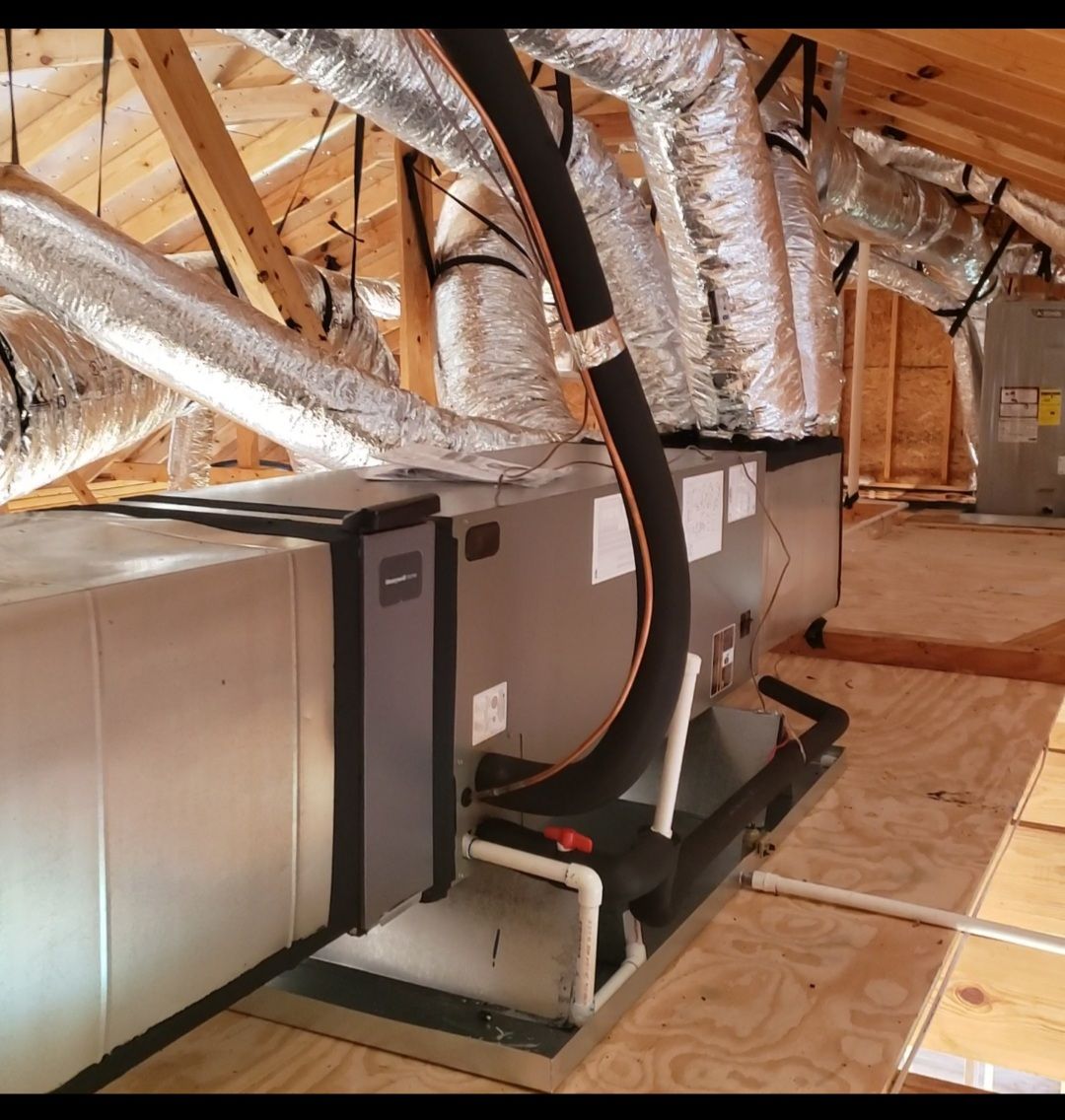
Crushed or kinked flex duct. Flex duct is common in Texas attics. It works well when it's installed properly, but it loses a lot of airflow if it's bent tightly, pinched by a truss, stepped on or left to sag. Someone doing other attic work may flatten a duct without knowing it.
Leaks and disconnections. ENERGY STAR estimates that a typical home loses around 20 to 30 percent of the air moving through its ducts to leaks and poor connections. In a hot attic, that loss is expensive. A duct that's come apart completely can leave one room with almost nothing.
Heat gain in the attic. San Antonio attics get very hot in summer. Air in poorly insulated ducts warms up on its way, so the farthest rooms get the warmest air.
Older homes bring their own issues. Many houses built before central air had ducts added later, and those weren't always laid out well. Additions and garage conversions are common too, and they're often just tied into whatever duct was nearby.
Don't Forget the Return Side
Your system needs to pull air back as easily as it pushes it out. A room with a closed door and no return of its own can stall, because air has no easy path back to the system. You can test this by opening the door, or by cracking it, and seeing if airflow improves. Undercut doors help a little. In some homes a new return or jumper duct is the real fix, and that's a common improvement that homeowners don't think about.
Why Closing Vents Isn't the Answer
It seems logical to close vents in cool rooms and push more air to the hot one. In practice, a central system is designed to move a certain amount of air, and closing vents raises pressure in the ducts. That can increase leaks, reduce total airflow and make the system work harder. In some cases it can even freeze the coil. If a room really needs less air, balancing dampers in the ducts are the right tool.
When the Room Is the Problem
If the air is cold and strong but the room is still hot, look at the room itself. West-facing windows take a beating on San Antonio afternoons, so solar screens or good shades can make a clear difference. Rooms over garages and vaulted ceilings tend to have less insulation or have gaps in it. Thin attic insulation above one part of the house can show up as one hot room. A quick look in the attic may reveal bare patches or areas where insulation has settled.
Possible Fixes, From Simple to Bigger
Depending on the cause, the fix might be one of these:
- Reconnecting, straightening or properly supporting a damaged duct
- Sealing leaks at joints and boots
- Adjusting balancing dampers so air reaches the right rooms
- Adding or resizing a supply run, or adding a return
- Redesigning part of the duct system to match the house
- A zoning system, which lets different areas have separate thermostats, often used in two-story homes
- A ductless mini-split for an addition, a garage conversion or a room that ducts can't reach well
The right answer depends on what's actually wrong, so be careful of anyone who suggests a bigger AC before measuring airflow. Oversizing doesn't fix a delivery problem, and it can make humidity and short cycling worse. If the whole house is struggling and not just one room, the system itself may need a look during a heating and cooling service visit.
Get the Airflow Measured
Guessing gets expensive. A technician can measure airflow, inspect the ducts and find out why one room isn't keeping up. Safe Air handles duct design and replacement for San Antonio homeowners. Call (281) 305-9493 or send us a request online.
Related services
Keep reading
Need HVAC Service?
Safe Air LLC — licensed HVAC repair, installation, and maintenance for homeowners in Houston, Austin, and San Antonio.
No Obligation